Vastu and Interior Design: Understanding the Balance
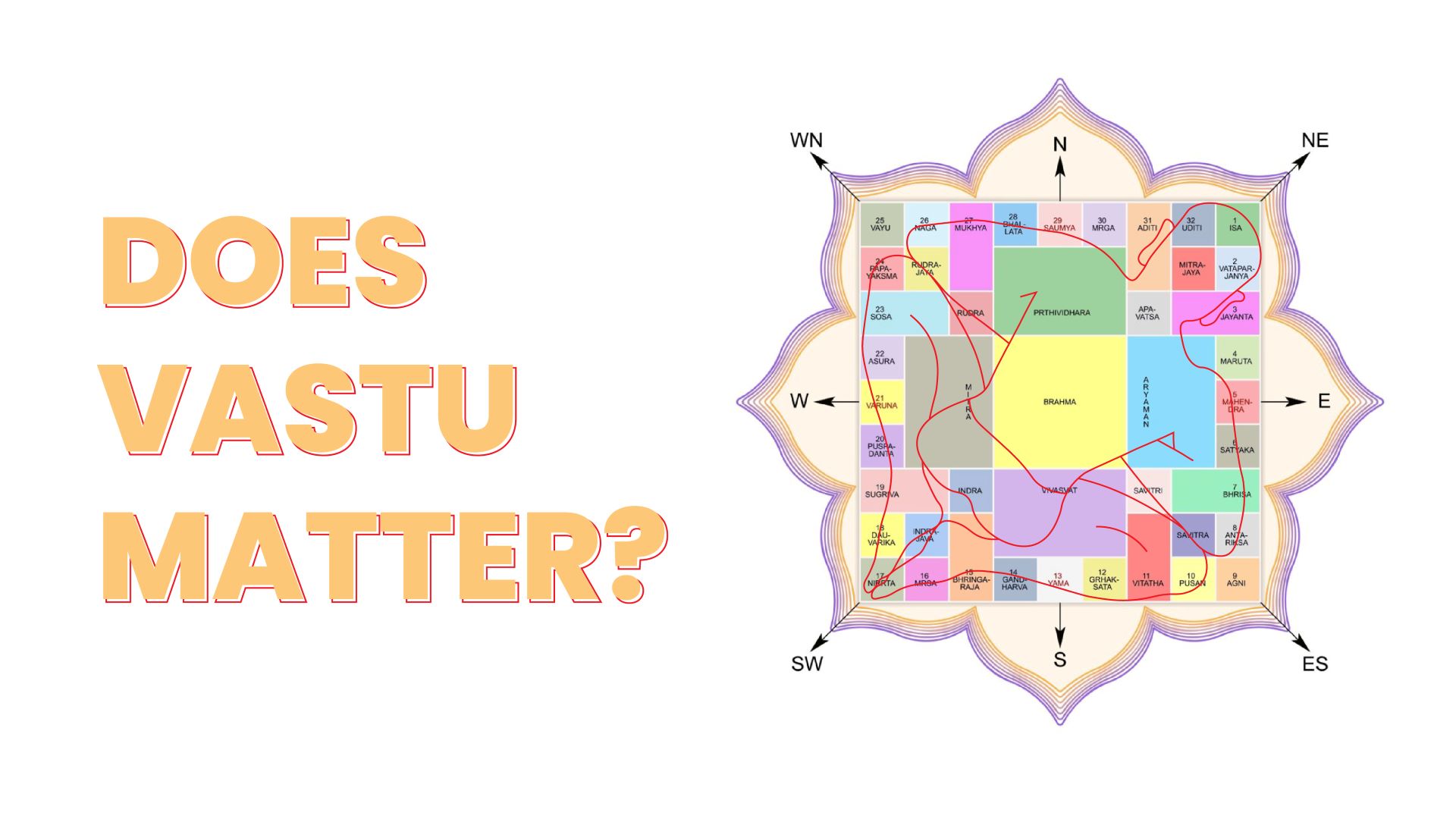
Over the years, one thing has become increasingly clear in our design discussions with homeowners: Vastu matters.
With the growing influence of social media, homeowners today are more aware of Vastu principles than ever before. It is not uncommon for clients to approach a project with specific Vastu requirements or simply request that the design team keep Vastu in mind throughout the process.
And honestly, we understand why.
A home is more than a physical space. It is where people seek comfort, peace, positivity, and a sense of belonging. Naturally, many homeowners want their spaces to reflect beliefs and principles that are important to them.
In our practice, there are even certain considerations that we pay attention to regardless of whether they are specifically requested. The planning of puja spaces and the positioning of toilets and bathrooms are aspects we rarely overlook because of the significance they hold for many families and the importance associated with spatial harmony.
However, there is another side to the conversation that is equally important.
Interior design is not driven by a single factor alone.
Every successful space is the result of balancing multiple considerations, including:
- Functionality
- Circulation and movement flow
- Storage requirements
- Ergonomics and comfort
- Natural and artificial lighting
- User habits and lifestyle
- Aesthetics
- Budget and practical constraints
This is where design becomes interesting.Sometimes Vastu recommendations align naturally with all of these requirements. Sometimes they require adjustments. And sometimes they create challenges that need to be carefully resolved.
For example, a layout that satisfies every directional preference may affect circulation. A furniture arrangement that follows a specific guideline may reduce functionality. In some cases, maximizing one aspect can mean compromising another.
This does not mean Vastu is wrong. Nor does it mean good design should ignore it. It simply highlights the reality that designing a home involves balancing many priorities at once.
Perhaps the most important thing homeowners can understand is that great interiors are rarely created by following a checklist alone. They are created through thoughtful decision-making, where beliefs, functionality, aesthetics, and everyday practicality are all given consideration.
The most successful projects are often those where Vastu and design work together rather than compete with one another. When approached thoughtfully, it is possible to respect important Vastu principles while still creating spaces that are functional, beautiful, and tailored to the people who live in them.
After all, the goal of interior design is not just to create a space that looks good on paper. It is to create a space that feels right for the people who call it home.