
Challenges During Interior Renovation
Interior renovation often looks simpler than new construction, but in reality, it comes with its own set of challenges. Many of these only become visible once work begins on site.
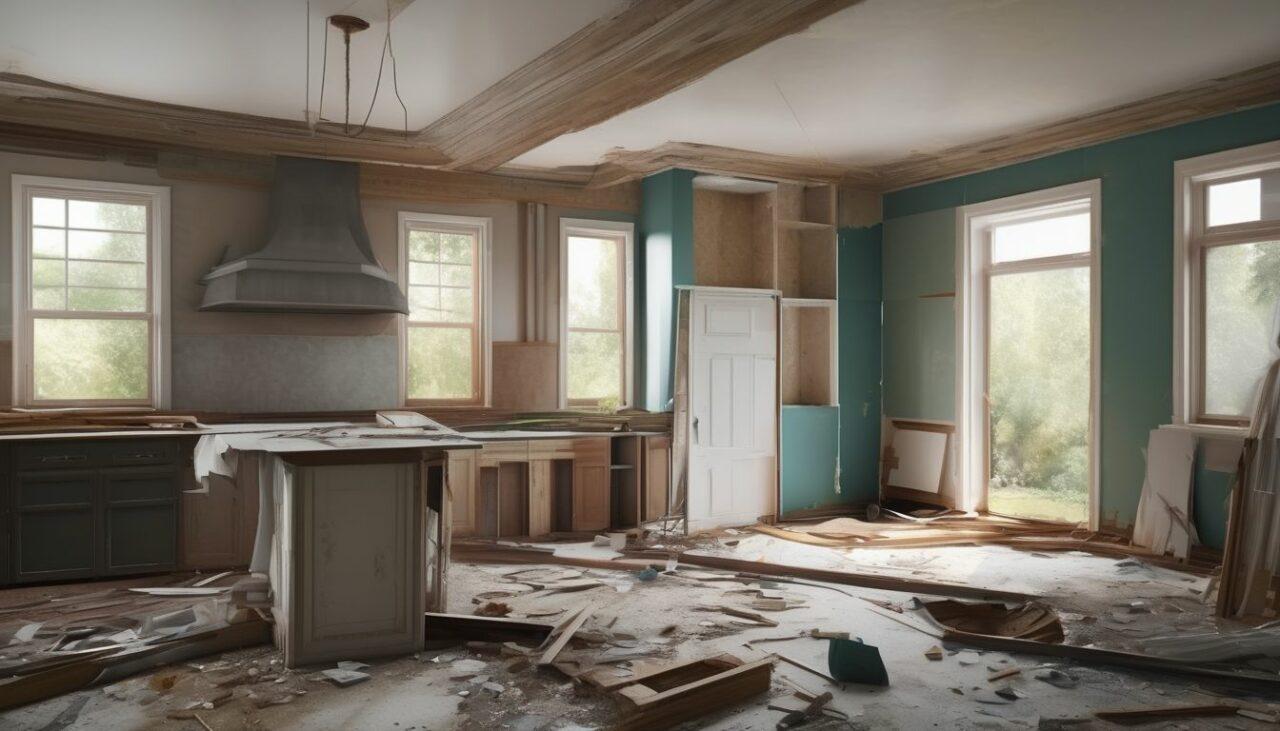
One of our recent residential renovation projects in Helmet Dada, Bhaktapur reminded us why renovation demands careful planning, flexibility, and strong coordination between the client, designer, and contractors.
- Existing Structural Elements
At the beginning, we finalized the interior design based on drawings and an initial site understanding. However, once execution started, structural elements such as beams, columns, and floor level differences required us to reassess our design decisions. This eventually led to redesigning key parts of the interior to ensure the space remained both functional and structurally sound.
- Electrical Rewiring with Limited Demolition
Another major challenge was electrical rewiring. The client preferred minimal demolition, which is common during renovations. However, achieving concealed wiring for a clean finish meant carefully cutting through existing walls. Balancing aesthetics, functionality, and minimal disruption required precise execution and coordination on site.
- Service Layout Conflicts with Structure
During the renovation, we discovered that a planned commode position was directly above a structural beam, making it unfeasible. This required repositioning the fixture and revising plumbing and layout details. Such changes highlight how interior design and structural realities must work closely together, especially in renovation projects.
- Budget & Timeline Variations During Renovation
Renovation budgets and timelines often evolve. As new scopes emerged, design changes were made, and confirmations took time, both cost and duration needed flexibility. Coordination between multiple contractors also affected the timeline, as certain works could not happen simultaneously. Design revisions, approvals, and unforeseen site conditions can also affect timelines. Clear communication with the client helped manage expectations and maintain trust throughout the process.
Despite the challenges, seeing the transformed home come together was deeply satisfying. The final space feels renewed, functional, and better suited to the client’s lifestyle.
Here are a few key takeaways for our clients to plan their home renovation:
- Renovation projects involve working around existing structural conditions, which may limit certain design possibilities.
- Not all challenges are visible at the planning stage; some only appear during execution.
- Minimal demolition may affect how services like electrical and plumbing are planned.
- Design and service layouts may need adjustment to maintain structural safety.
- Budgets and timelines should include buffers for unexpected findings.
- Open communication and flexibility contribute significantly to a smoother renovation process.
Renovation is never just about changing a space, it’s about thoughtful problem-solving and creating lasting value.